

Morocco is a country where centuries of history meet remarkable natural diversity. Located in northwest Africa, it welcomes travellers with ancient medinas, lively souks, desert landscapes, mountain villages, and coastlines along both the Atlantic Ocean and the Mediterranean Sea. Its cultural identity has been shaped by Arab, Amazigh, African, and European influences, which can be seen in its architecture, languages, food, music, and everyday traditions. Rabat is the capital, the Moroccan dirham (MAD) is the national currency, and Arabic and Amazigh are the official languages. French is widely used, particularly in business and many urban settings, while English is increasingly understood in tourist destinations. The country's best-known cities each offer a different experience. Marrakech draws visitors to Jemaa el-Fnaa, its colourful souks, historic palaces, and traditional riads. Fez is celebrated for its medieval medina, historic madrasas, and traditional craft workshops. Rabat combines important historical landmarks with a relaxed coastal atmosphere, while Casablanca is Morocco's largest city and a centre of modern architecture and urban life, home to the impressive Hassan II Mosque. Further north, Chefchaouen is known for its blue-painted streets and mountain setting, while Essaouira offers historic sea walls, fishing boats, fresh seafood, and a refreshing Atlantic breeze.
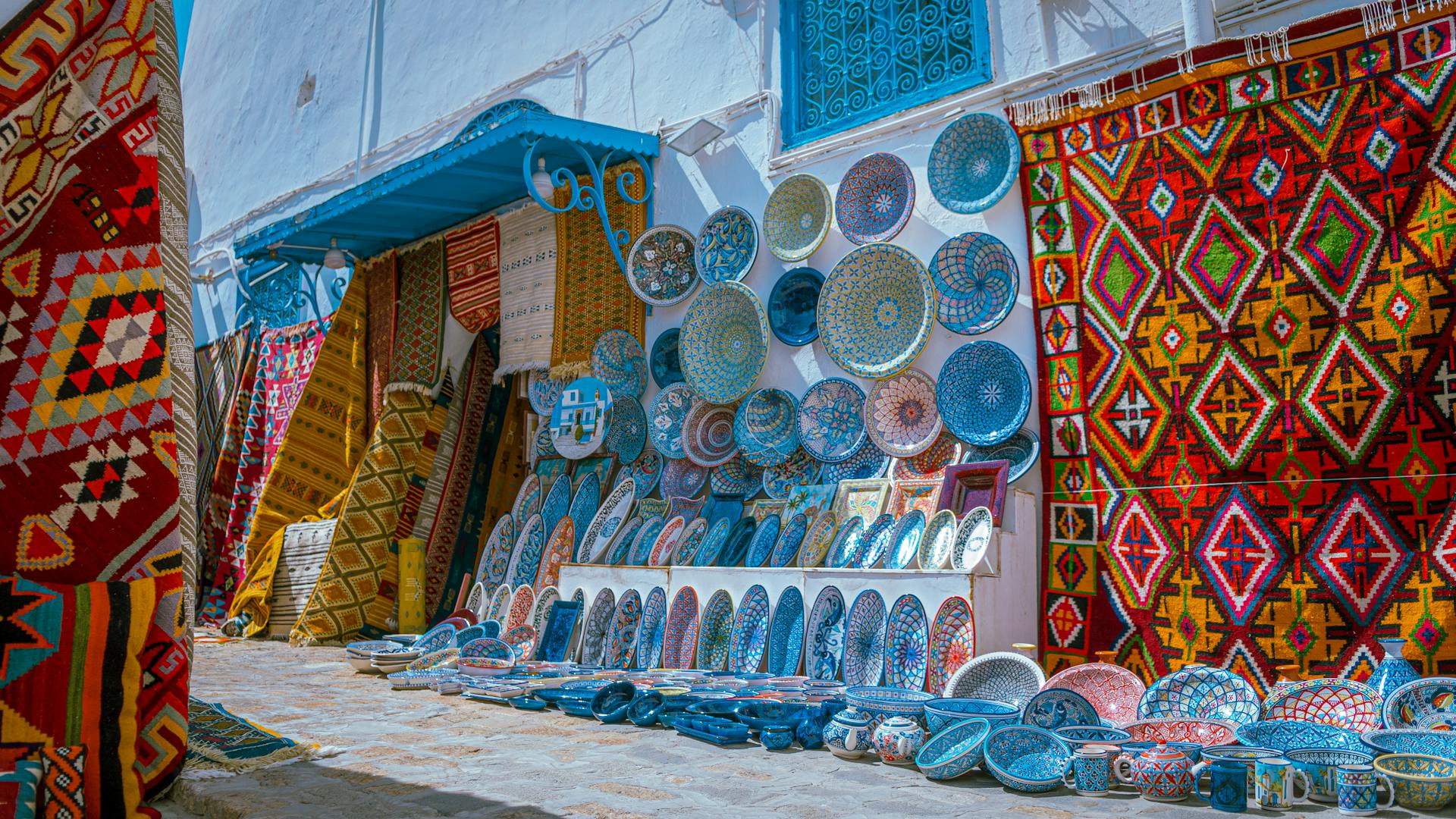
Beyond its cities, Morocco has landscapes that can make a single journey feel like several different holidays. In the southeast, the area around Merzouga and Erg Chebbi is famous for its sweeping Sahara dunes, changing desert colours, and spectacular sunsets. Visitors can arrange camel rides, 4x4 excursions, and overnight stays in desert camps, although it is worth choosing operators that treat the landscape and local communities responsibly. In the north, the Atlas Mountains offer a striking contrast, with rugged peaks, green valleys, traditional Amazigh villages, and hiking routes. The High Atlas is particularly popular for mountain walks and visits to communities where local traditions remain part of daily life. On the Atlantic coast, Agadir is known for its long beach, seaside promenade, and sunny climate, while nearby Taghazout attracts surfers and travellers looking for a laid-back coastal atmosphere. Moroccan cuisine is another essential part of the experience. Look for slow-cooked tagine, couscous traditionally served on Fridays, the delicate sweet-and-savoury layers of pastilla, and comforting harira soup. A glass of freshly prepared mint tea is often offered as a gesture of welcome. In local markets, you can also discover fragrant spices, olives, dates, leather goods, ceramics, textiles, and handmade crafts.
Morocco's history is visible in its architecture and archaeological sites. The historic medinas of Fez and Marrakech are recognised by UNESCO for their cultural importance, while the ancient Roman city of Volubilis offers a fascinating glimpse into the region's Roman past. Visitors can explore surviving columns, mosaics, and the remains of public buildings against a rural landscape. Other places, including the kasbahs and fortified villages of southern Morocco, reveal the country's long history of trade and settlement. For travellers who want a varied holiday, combining an imperial city with a mountain excursion, a desert journey, and time on the coast is an excellent way to experience the country's different regions. Morocco's tourism industry has also recorded strong growth. According to the Ministry of Tourism, the country welcomed 19.8 million tourist arrivals in 2025, an increase of 14% compared with 2024. Tourism receipts reached MAD 138 billion, while classified accommodation establishments recorded 43.4 million overnight stays. The High Commission for Planning reported that tourism represented approximately 7.5% of national GDP in 2025, compared with 7.2% in 2024. These figures highlight the importance of tourism to accommodation providers, transport companies, restaurants, artisans, and local businesses throughout Morocco.
The best time to visit Morocco depends on the regions and activities on your itinerary. Spring, from March to May, and autumn, from September to November, are generally the most comfortable seasons for exploring cities, historical sites, and mountain areas. Temperatures are often more manageable than during the height of summer, making these periods suitable for walking through medinas or taking longer road trips. Summer can be extremely hot in inland destinations such as Marrakech, Fez, and the Sahara, although Atlantic coastal towns are often cooler. Winter is a good time to explore many cities and southern destinations, but temperatures can drop considerably in the Atlas Mountains and desert at night. Pack according to the regions you plan to visit, especially if your trip includes mountain villages or an overnight desert stay. Travelling around Morocco is relatively convenient. The train network connects major cities such as Casablanca, Rabat, Fez, and Marrakech, while intercity buses provide access to many other destinations. Rental cars and private transfers offer greater flexibility for reaching mountain villages, kasbahs, and remote areas. For longer journeys, check travel times carefully: distances across Morocco can be substantial, and mountain roads may take longer than expected. Accommodation and transport costs vary according to the season, destination, and comfort level. Compare options in advance and confirm current prices directly with providers before booking.
A Suggested 10–14 Day Morocco Itinerary
A journey of 10 to 14 days gives first-time visitors enough time to discover several sides of Morocco without rushing through every destination. Start in Marrakech, allowing two or three days to explore the medina, Jemaa el-Fnaa, historic palaces, gardens, and traditional markets. From there, travel across the Atlas Mountains towards Aït Ben Haddou, a historic fortified village recognised as a UNESCO World Heritage Site. Its earthen buildings and dramatic setting make it one of southern Morocco's most memorable stops. Continue towards the Sahara, using the Merzouga area as a base for a desert excursion and, if you wish, an overnight stay beneath the stars. The journey north to Fez takes time, so plan a suitable stop along the way rather than attempting the drive without a break. In Fez, explore the old medina, traditional workshops, and historic religious architecture. If your schedule allows, continue to Chefchaouen for its blue-painted lanes and Rif Mountain scenery. Finish in Rabat or Casablanca, depending on your departure arrangements. This route includes some long driving days, particularly between the desert and northern cities, so allow enough time for rest and sightseeing. Travellers who prefer a slower pace could spend more time in Marrakech and add Essaouira or Agadir for a coastal break instead of visiting every stop.
Practical Travel Tips for Morocco
A little preparation will help you enjoy Morocco more comfortably. Choose lightweight, comfortable clothing and consider dressing modestly when visiting religious sites and traditional neighbourhoods. In busy souks, take your time when shopping, compare products, and agree on prices before purchasing goods or services. When using taxis, confirm the fare or ensure the meter is being used before the journey begins. Keep your belongings secure in crowded markets, transport stations, and popular tourist areas, as you would in any busy destination. For mountain hikes and desert excursions, use reputable local guides and suitable transport providers, and check what is included in the price before booking. Travel insurance is advisable, particularly if your plans involve outdoor activities, hiking, or long road journeys. It is also worth carrying some cash for smaller shops and rural areas, while keeping your valuables and important documents secure. Finally, travel responsibly: support locally owned guesthouses, restaurants, guides, and craft businesses; ask permission before photographing people; respect local customs; and take all rubbish away when visiting natural areas. Small, considerate choices can help protect the places and communities that make Morocco special.
Morocco offers much more than its famous desert landscapes and historic cities. It is a country of contrasts, where ancient medinas, mountain scenery, coastal towns, distinctive cuisine, and rich cultural traditions come together. Whether you are interested in exploring the souks of Marrakech, discovering the history of Fez, hiking in the Atlas Mountains, experiencing the Sahara, or relaxing beside the Atlantic, there is a remarkable variety of experiences to enjoy. Plan a realistic route, allow time to appreciate each destination, and approach local customs with curiosity and respect. With thoughtful preparation, a journey through Morocco can become a memorable introduction to one of North Africa's most diverse travel destinations.