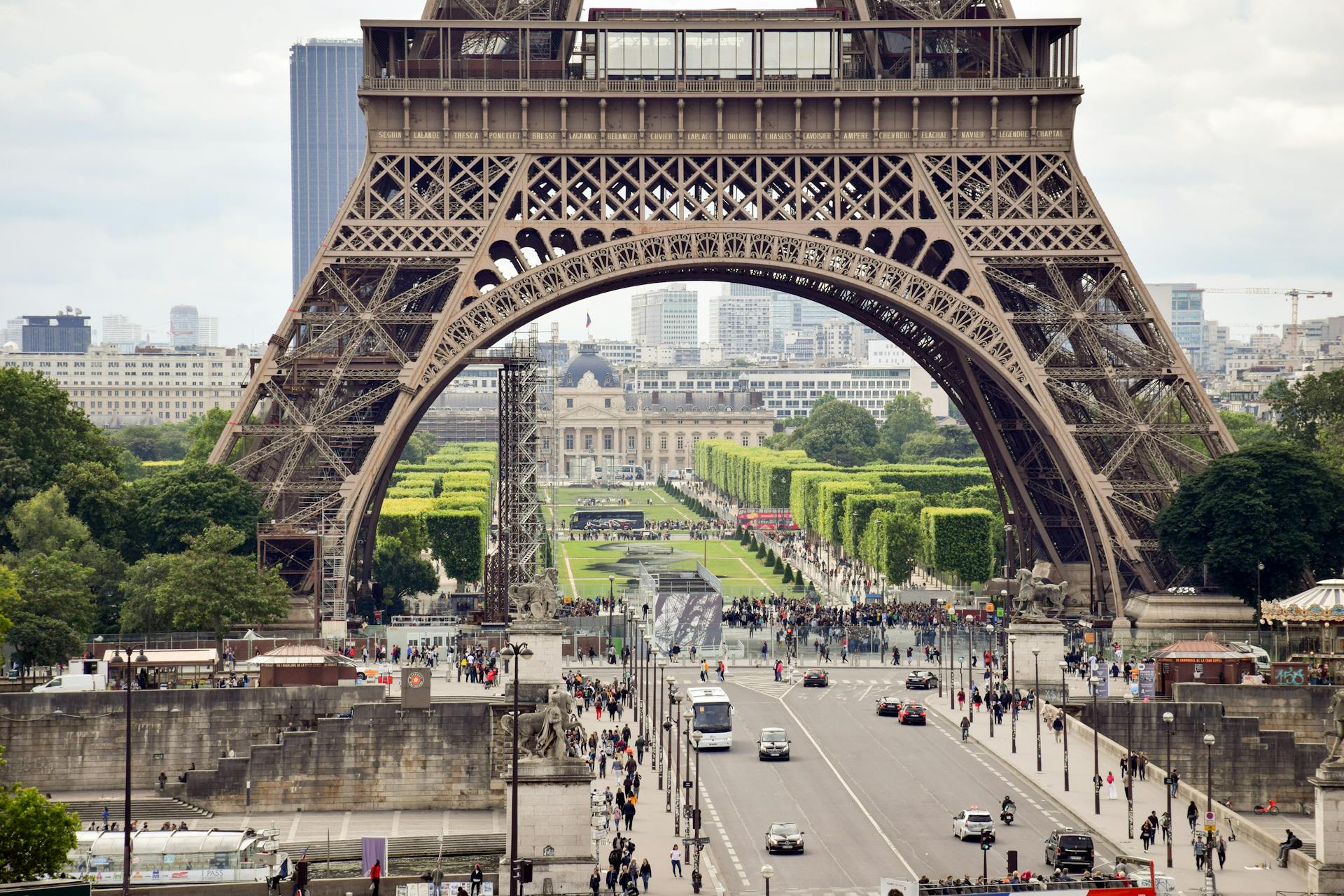

France is widely recognized as the world’s leading international tourism destination and a true global tourism powerhouse. In peak years, the country welcomes more than 100 million international visitors, placing it consistently at the top of global tourism rankings. This immense flow of travelers generates tens of billions of euros in visitor spending each year, making tourism one of the most important pillars of the French economy. The sector supports millions of direct and indirect jobs, spanning hospitality, transport, culture, retail, gastronomy, and regional services, and plays a vital role in sustaining both urban and rural communities. https://www.france.fr
1. Latest annual statistics
- International arrivals / visitors: France recorded over 100 million international visitors in 2024 (a record year), continuing its position as the most visited country.
- International visitor spending / tourism receipts: International tourism generated roughly €71–€72 billion in receipts in 2024 according to national summaries and sector reporting.
- Economic contribution: The Travel & Tourism sector contributed around €246–€266 billion to France’s economy in recent WTTC reports (figures vary slightly by report and whether domestic spend is included), representing roughly 9% of GDP and supporting about 3 million jobs (several hundred thousand more than pre-pandemic levels).

2. Top source markets (who visits France)

France’s visitors come from around the world; historically the largest source markets are:
- United Kingdom, United States, Germany, Belgium, Netherlands — with many other European neighbors and growing flows from long-haul markets (China, United States, Middle East, India) depending on connectivity and season. For a breakdown of key source markets and trends see the market analysis.
3. Cultural & natural assets (why visitors come)
- UNESCO World Heritage: France has dozens of listed properties — more than 50 UNESCO World Heritage sites (cultural, natural, mixed), from Mont-Saint-Michel and the Palace of Versailles to prehistoric caves and modern architectural entries. These sites are major tourism draws and anchors for cultural travel.
- Iconic attractions: Paris (Eiffel Tower, Louvre, Notre-Dame), Loire Valley châteaux, Mont-Saint-Michel, Provence (lavender fields), the French Riviera (Nice, Cannes, Saint-Tropez), the Alps (Chamonix, Courchevel) and Normandy (D-Day beaches) are consistent top picks for visitors.
4. Regional highlights (what to see, by region)
Paris

- What to do: Eiffel Tower, Louvre, Musée d’Orsay, Notre-Dame (restoration updates vary), Seine cruises, Montmartre, Champs-Élysées, Le Marais. Paris is also a global fashion, art and culinary hub (Paris Fashion Week, Michelin restaurants).
- Why it matters: Paris remains the single biggest magnet for international tourism; day-trippers and multi-day visitors fuel large parts of the inbound market.
Loire Valley & Normandy

Provence & Côte d’Azur

French Alps & Pyrenees

Southwest & Bordeaux

The Southwest and Basque Country, including the celebrated Bordeaux region, offer a rich blend of culture, cuisine, and natural beauty. Bordeaux is world-famous for its prestigious vineyards and wine estates, making it a top destination for wine tasting and vineyard tourism. Along the Basque coast, visitors can enjoy unique local traditions, stunning beaches, and exceptional gastronomy influenced by both French and Spanish flavors, creating a vibrant and diverse travel experience.
5. Seasonality — when to visit
- Spring (Apr–Jun): Mild weather, blooming landscapes, fewer crowds — excellent for cities and countryside.
- Summer (Jul–Aug): Peak season for beaches (Riviera), festivals, and major events; expect highest prices and crowded sites.
- Autumn (Sep–Oct): Harvest season for wine regions, pleasant temperatures and fewer tourists.
- Winter (Nov–Mar): Ski season in the Alps and Pyrenees; Christmas markets and lower rates in many cities.
6. Transport & access

- Air: Major international gateways include Paris Charles de Gaulle (CDG), Paris Orly (ORY), Nice (NCE), Lyon (LYS), Marseille (MRS), and regional airports. Low-cost carriers and long-haul routes serve different markets.
- Rail: France has an extensive high-speed train network (TGV) connecting Paris with Lyon, Marseille, Bordeaux, Lille, and international hubs (Brussels, London via Eurostar). Rail is often the fastest, low-carbon option for many intra-European trips.
- Road & ferries: Rental cars are popular for Loire, Provence and rural self-drive itineraries. Ferries link Brittany and Normandy to the UK and Ireland.
7. Economic & social impacts (benefits and challenges)
Benefits:
Tourism is a major employer and revenue generator (tourism contribution to GDP and international receipts cited in section 1). WTTC data shows the sector recovered strongly post-pandemic and reached record levels in 2023–2024 in many measures (economic output and jobs).
Challenges:
- Heritage funding & maintenance: France manages tens of thousands of protected monuments and heritage sites; funding and restoration needs are large and, according to national reporting, under strain — restoration and maintenance require long-term investment. Le Monde.fr
- Overtourism hotspots: Some cities and small destinations face pressure from mass visitation (crowding, housing pressure, environmental wear). Local policy responses include visitor management, seasonal pricing, and restrictions on short-term rentals in sensitive locations.
8. Practical tips for travelers

France follows Schengen visa rules, so many visitors can enter without a visa, but it’s important to check the requirements for your nationality before traveling. French is the official language, and while English is widely spoken in tourist areas, using a few French phrases is appreciated. The euro is used across the country, cards are commonly accepted, though carrying some cash is helpful in rural areas and local markets. France is generally safe for tourists, but standard precautions are advised in crowded places due to pickpocketing. It’s best to book accommodation and transport early, especially during summer, school holidays, and major events, and staying connected is easy with tourist SIMs, eSIMs, and widespread Wi-Fi availability.