📈 Malaysia Tourism Performance (2024–2025)
Malaysia’s tourism sector showed strong recovery and growth throughout 2024 and into 2025, reinforcing its position as one of Southeast Asia’s leading travel destinations. In 2024, the country recorded approximately 30.3 million international tourist arrivals, reflecting a near return to pre-pandemic levels driven by improved air connectivity, visa-free travel for key markets, and strong regional demand.
The positive trend continued in 2025, with over 10 million international visitors welcomed during the first half of the year, highlighting sustained global interest in Malaysia’s diverse tourism offerings. Tourism revenue has also rebounded significantly, with travel and tourism contributing an estimated 22% of Malaysia’s GDP, underlining the sector’s importance to national economic growth and employment.
Malaysia’s top source markets remain Singapore, Indonesia, China, Thailand, and Australia, supported by close proximity, cultural connections, and easy travel access. With continued government support and strategic promotion, Malaysia is well positioned to maintain steady tourism growth through 2025 and beyond.
💰 Economic Contribution & Tourism Revenue
Tourism plays a vital role in Malaysia’s economy. In 2024, tourism contributed substantially to GDP, with inbound tourism expenditure reaching significant figures. The country’s Tourism Satellite Account reports that Malaysia’s tourism industry generated RM291.9 billion in 2024, contributing about 15.1 % of the national economy, up from 14.9 % in 2023, reflecting a broadening impact on economic activities.
Inbound tourism expenditure also expanded rapidly, rising 41.1 % to RM107.0 billion in 2024, supported by tourist spending on shopping, passenger transport, accommodation, and food and beverages.
Tourist spending also helps related industries such as retail, entertainment, transportation, and hospitality, creating strong multiplier effects across the wider Malaysian economy.
🌍 Top Source Markets
Malaysia’s tourism industry draws visitors from around the world, underpinned by strong regional mobility and international connectivity. The largest source markets include:
- Singapore, traditionally the top contributor due to geographic proximity and frequent cross-border travel.
- Indonesia, a neighbouring ASEAN market with strong visitor flows.
- China, with solid year-on-year growth in arrivals.
- Thailand and Australia, also among the key contributors to international arrivals.
Together, these markets consistently supply high visitor volumes, reflecting Malaysia’s broad appeal across Asia and beyond. https://www.malaymail.com/
✈️ Accessibility & Travel Infrastructure
Malaysia’s transport infrastructure plays a crucial role in supporting inbound tourism. The country’s main international gateway is Kuala Lumpur International Airport (KLIA), one of the busiest in Southeast Asia, with extensive flight networks linking Malaysia to Asia, Europe, the Middle East, Australia, and beyond. In addition to KLIA, airports such as Penang International Airport, Kota Kinabalu International Airport, and Kuching International Airport support strong regional access and domestic tourism flow.
Well-developed highways, rail networks like the Electric Train Service (ETS), and modern public transport systems also make traveling within the country seamless, enhancing visitor mobility between key cities and leisure destinations.
🏙️ Key Tourism Destinations
Malaysia offers a diverse range of travel experiences that attract different types of tourists:
Kuala Lumpur
The modern capital is a cultural staple for international visitors. It features iconic landmarks such as the Petronas Twin Towers, vibrant shopping districts, historic monuments, museums, and a diverse blend of Malay, Chinese, and Indian cultures.
Penang
Penang’s George Town is a UNESCO World Heritage site known for its street art, colonial architecture, and culinary scene. The island attracts food lovers, history enthusiasts, and cultural travelers.
Langkawi
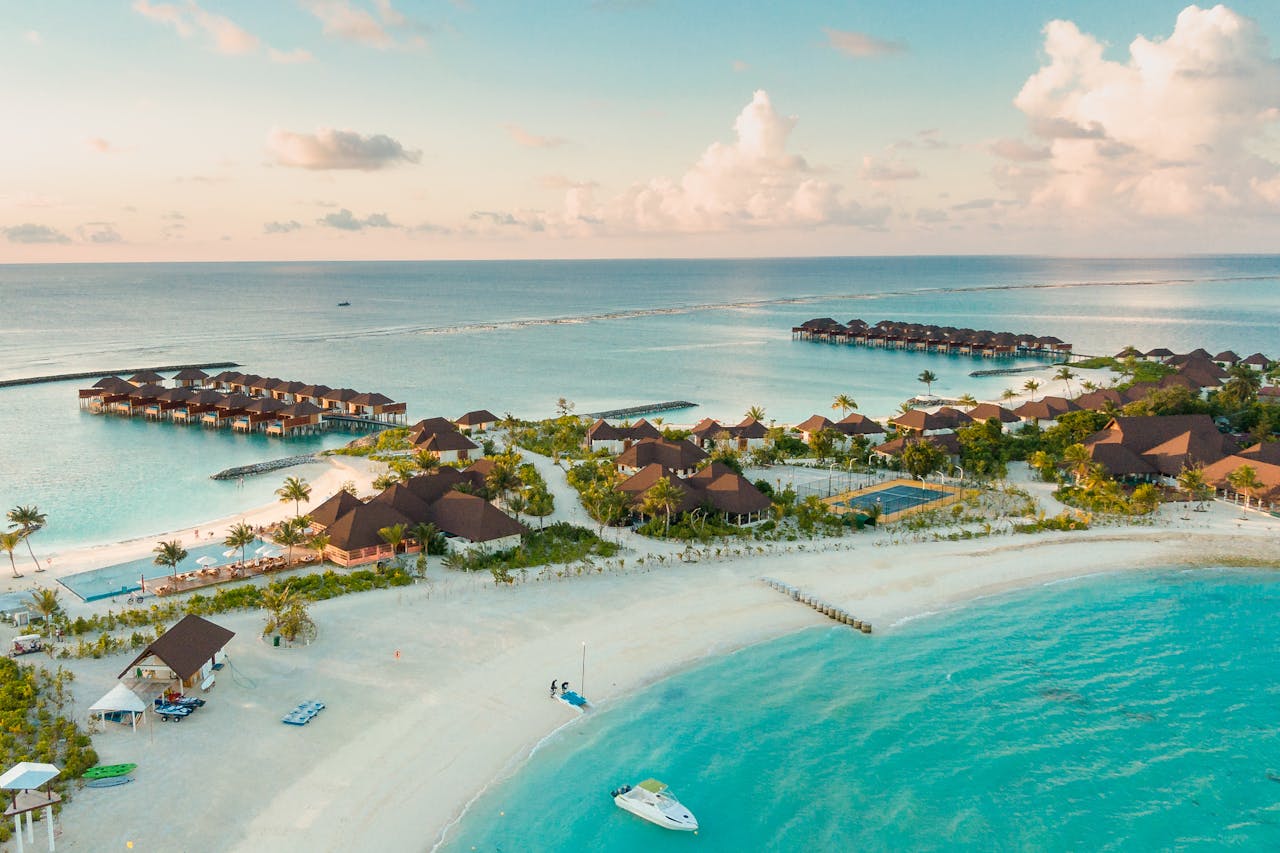
A tropical island destination with pristine beaches, duty-free shopping, eco-adventures, mangrove tours, and luxury resorts that appeal to both leisure travelers and honeymooners.
Borneo (Sabah & Sarawak)
Malaysia’s Borneo states are famous for their rainforests, wildlife, Mount Kinabalu, river cruises, and eco-tourism experiences, drawing adventure and nature lovers globally.
Malacca (Melaka)
Malacca’s colonial history, rich heritage, and cultural attractions make it a popular destination for day trips and cultural tours.
These destinations exemplify the country’s ability to cater to urban, beach, cultural, nature, and adventure travelers.
🍜 Cultural & Culinary Tourism
Malaysia’s cultural diversity is one of its strongest tourism assets. Visitors experience a unique fusion of Malay, Chinese, Indian, and indigenous Bornean cultures, reflected in festivals, architecture, languages, and especially cuisine. Malaysian food — such as nasi lemak, char kway teow, laksa, roti canai, and satay — is a major tourism attraction celebrated in street markets, night bazaars, and fine dining restaurants.
📅 Seasonal Trends & Events
Malaysia’s tropical climate allows for year-round travel, with peak seasons varying by region and event schedule. Popular travel periods include:
- December–February: Peak for West Coast and urban tourism.
- March–May: Shoulder season with pleasant weather for island travel.
- June–August: Holiday travel, family vacations, and events.
- Festival seasons: Major cultural events such as Chinese New Year, Hari Raya, and Deepavali attract regional and international visitors.
In addition, Visit Malaysia Year 2026 (VM2026) is expected to further boost global interest and international arrivals with expanded campaigns, events, and tourism promotions.
🛏️ Hospitality Sector & Accommodation Growth
Malaysia’s hospitality industry has expanded significantly to keep pace with the country’s growing visitor numbers and rising global demand. Hotel occupancy rates have remained consistently strong, especially in major urban centers such as Kuala Lumpur, popular island destinations like Langkawi and Penang, and culturally rich heritage hubs including Melaka and George Town. This steady performance reflects both increased international arrivals and a resilient domestic travel market.To meet diverse traveler expectations, Malaysia offers a wide spectrum of accommodation options, ranging from budget-friendly guesthouses and homestays to eco-resorts set in rainforests and coastal areas. At the higher end, luxury hotels and boutique properties provide world-class amenities, personalized services, and unique local design elements that enhance the overall travel experience. This diversity allows Malaysia’s hospitality sector to successfully cater to backpackers, families, business travelers, and high-end tourists alike, further strengthening the country’s position as a competitive and versatile tourism destination.
🌱 Sustainability & Responsible Tourism

Malaysia’s hospitality industry has expanded significantly to keep pace with the country’s growing visitor numbers and rising global demand. Hotel occupancy rates have remained consistently strong, especially in major urban centers such as Kuala Lumpur, popular island destinations like Langkawi and Penang, and culturally rich heritage hubs including Melaka and George Town. This steady performance reflects both increased international arrivals and a resilient domestic travel market.
To meet diverse traveler expectations, Malaysia offers a wide spectrum of accommodation options, ranging from budget-friendly guesthouses and homestays to eco-resorts set in rainforests and coastal areas. At the higher end, luxury hotels and boutique properties provide world-class amenities, personalized services, and unique local design elements that enhance the overall travel experience. This diversity allows Malaysia’s hospitality sector to successfully cater to backpackers, families, business travelers, and high-end tourists alike, further strengthening the country’s position as a competitive and versatile tourism destination. https://www.tourism.gov.my/statistics
📊 Domestic Tourism: A Major Pillar
Domestic tourism plays a vital role alongside international travel. In 2025, domestic tourism continued its upward trajectory with 72.6 million domestic visitors recorded in the third quarter alone, marking strong engagement among local residents and tourists alike. Domestic spending in Q3 2025 reached RM29.8 billion, an increase of 16.7 % year-on-year, demonstrating sustained demand for local travel experiences.
In 2024, Malaysia also recorded around 260 million domestic trips, with total spending exceeding RM106 billion, showing the strength of internal mobility and local tourism activity.
🧭 Conclusion — Why Malaysia Remains a Top Global Destination
Malaysia’s tourism industry has demonstrated strong resilience, rapid recovery, and steady long-term growth. With record visitor arrivals, expanding tourism revenue, broad destination diversity, and a strategic focus on sustainable and inclusive tourism development, Malaysia continues to strengthen its position on the global travel map. Whether visitors seek urban exploration, cultural richness, island escapes, nature adventures, or culinary experiences, Malaysia offers something unforgettable for every type of traveler — making it one of Asia’s must-visit destinations in 2024, 2025, and beyond.