


Italy is one of Europe's most captivating travel destinations, bringing together thousands of years of history, remarkable architecture, beautiful coastlines, outstanding food, and a rich cultural heritage. From the ancient streets of Rome and the romantic canals of Venice to the artistic treasures of Florence and the colorful villages of the Mediterranean, every region offers a different experience.
Whether you are planning a cultural holiday, a romantic escape, a family vacation, or a scenic road trip, Italy offers experiences for almost every type of traveler. Its historic landmarks, traditional villages, world-famous fashion, Renaissance art, and regional cuisine make it a destination worth exploring at a relaxed pace.
If you are visiting for the first time, these six famous places are an excellent starting point for discovering the country's most memorable attractions.
Official Travel & Visitor Resources
Explore Italy's official tourism information and plan your journey:
1. Rome – Discover Italy's Ancient History
Rome, the capital of Italy, is an essential destination for anyone interested in history, architecture, and culture. Often called the Eternal City, it brings together extraordinary ancient monuments, magnificent churches, lively neighborhoods, and traditional Italian restaurants.
The Colosseum is one of the world's most recognizable historical landmarks. This enormous ancient amphitheater once hosted gladiatorial contests and public spectacles. Nearby, the Roman Forum reveals the remains of temples, government buildings, and public spaces that formed the heart of ancient Roman life. The Pantheon, with its remarkable dome, is another architectural masterpiece worth visiting.
For a different atmosphere, visit the Trevi Fountain, where visitors traditionally toss a coin into the water, and explore Piazza Navona, known for its beautiful fountains and elegant historic buildings. Vatican City, an independent city-state surrounded by Rome, is home to St. Peter's Basilica, the Vatican Museums, and Michelangelo's celebrated Sistine Chapel.
Rome is also a destination to enjoy rather than simply photograph. Spend time wandering through Trastevere, stopping at neighborhood cafés, browsing local markets, and tasting authentic Italian dishes such as carbonara, cacio e pepe, and traditional Roman pizza.
2. Venice – Experience the Magic of the Canals
Venice is one of the most distinctive cities in the world. Built across islands in the Venetian Lagoon, it is famous for its winding canals, historic bridges, elegant palaces, and romantic atmosphere. Instead of ordinary roads, much of the historic center is connected by narrow pedestrian streets and waterways.
St. Mark's Square is the city's best-known meeting point, surrounded by impressive architecture. Here, visitors can admire St. Mark's Basilica and the Doge's Palace, which reflects Venice's history as a powerful maritime republic. The Rialto Bridge is another iconic landmark, offering beautiful views over the Grand Canal.
One of the most memorable ways to experience Venice is by taking a gondola ride through its smaller canals. For everyday transportation, the public water buses, known as vaporetti, are practical and offer wonderful views of the city from the water.
Consider taking a boat trip to the nearby islands of Murano, famous for traditional glassmaking, and Burano, celebrated for its brightly colored houses and lace-making heritage. These islands provide a quieter perspective on Venetian life and are excellent for photography.
Spring and autumn are particularly pleasant periods to visit. Venice can become extremely busy during peak summer months, so exploring early in the morning or later in the afternoon often makes the experience more enjoyable.


3. Florence – Explore the Birthplace of the Renaissance
Florence, the capital of Tuscany, is one of Italy's greatest cultural destinations. It played a central role in the Renaissance, a period that transformed European art, architecture, science, and literature. Today, the city remains an extraordinary place for discovering masterpieces and historic streets.
The Cathedral of Santa Maria del Fiore, commonly known as the Duomo, dominates the city's skyline. Its enormous dome, designed by Filippo Brunelleschi, is one of the most celebrated achievements of Renaissance engineering. Visitors can also explore the cathedral complex, including the Baptistery and Giotto's Bell Tower.
Art enthusiasts should not miss the Uffizi Gallery, which contains important works by Renaissance masters, including Botticelli and Leonardo da Vinci. The Accademia Gallery is equally famous because it houses Michelangelo's original sculpture of David.
Other highlights include Ponte Vecchio, a historic bridge lined with jewelry shops, and Piazza della Signoria, an attractive square surrounded by remarkable buildings and sculptures. For one of the finest panoramic views of Florence, walk up to Piazzale Michelangelo, especially around sunset.
Food is another important part of the Florentine experience. Try traditional Tuscan dishes, browse the city's historic markets, and enjoy regional specialties in local restaurants. Florence also makes an excellent base for exploring the surrounding countryside, including Siena, San Gimignano, and the Chianti wine region.
4. Milan – Discover Fashion, Design, and Modern Italy
Milan offers a different experience from Italy's ancient cities and traditional coastal destinations. Known internationally for fashion, design, business, and shopping, it combines modern urban life with impressive historical landmarks and cultural attractions.
The magnificent Milan Cathedral (Duomo di Milano) is the city's most recognizable monument. This impressive Gothic cathedral features intricate stonework, countless statues, and a rooftop that provides beautiful views across Milan. Walking among its rooftop spires is one of the city's most memorable experiences.
Nearby, the Galleria Vittorio Emanuele II is a spectacular historic shopping gallery featuring elegant architecture, glass ceilings, luxury boutiques, and cafés. Another important attraction is Sforza Castle, a historic fortress that now houses several museums and art collections.
Art lovers should plan ahead to see Leonardo da Vinci's famous mural, The Last Supper, located in the Convent of Santa Maria delle Grazie. Visitor numbers are strictly limited, and reservations are essential to secure entry.
Milan is also a convenient gateway to northern Italy. Thanks to its excellent railway connections, travelers can easily continue to Lake Como, Bergamo, or other destinations in Lombardy. These nearby places offer a completely different atmosphere, with lakeside scenery, mountain views, and traditional Italian towns.
5. Amalfi Coast – Enjoy Italy's Spectacular Coastal Scenery
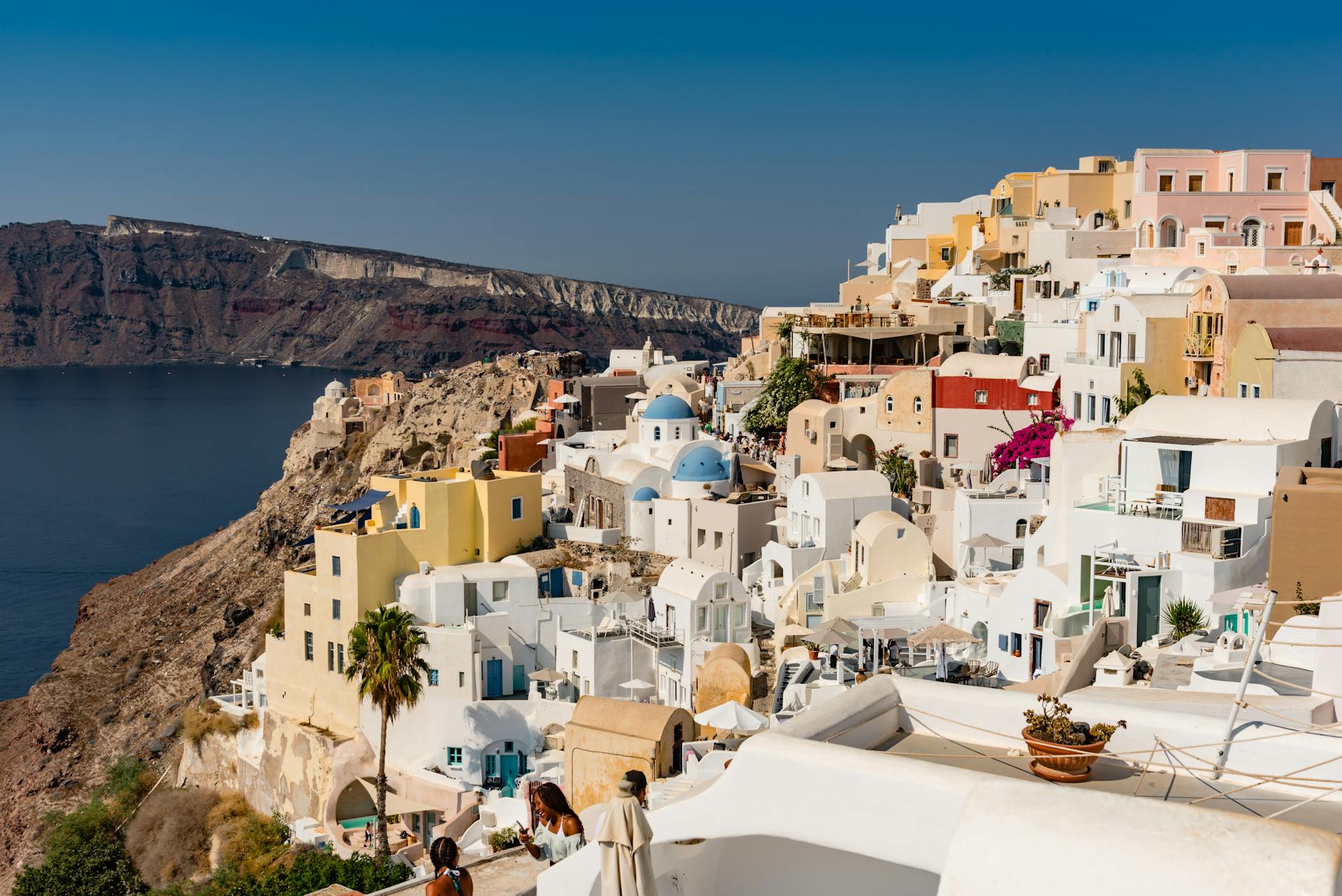
The Amalfi Coast is one of southern Italy's most beautiful destinations, celebrated for its dramatic cliffs, colorful villages, Mediterranean views, and winding roads overlooking the sea. Located in the Campania region, this spectacular coastline is a wonderful choice for travelers seeking scenery, relaxation, and authentic Italian coastal culture.
Positano is perhaps the most recognizable village, with pastel-colored buildings climbing the steep hillside towards the mountains. Its narrow streets, small boutiques, restaurants, and beaches create a particularly charming atmosphere. It is also one of the region's most photographed locations.
The historic town of Amalfi offers another experience. Its central square is dominated by the impressive Cathedral of Saint Andrew, while the surrounding streets are filled with cafés, shops, and traditional restaurants. Nearby, Ravello is known for its peaceful atmosphere, beautiful gardens, and spectacular panoramic views from places such as Villa Rufolo and Villa Cimbrone.
Visitors can explore the coastline by boat, relax on beaches, discover small villages, or enjoy regional food. Fresh seafood, locally produced olive oil, and lemon-based desserts are among the area's culinary highlights. The famous Amalfi lemons are particularly associated with the region's traditional cuisine.
The best time to visit is generally from late spring to early autumn. July and August are popular but often crowded, with higher accommodation prices and busy roads. Spring and September can provide a more comfortable balance of pleasant weather and fewer visitors.


6. Cinque Terre – Discover Italy's Colorful Coastal Villages
Cinque Terre, in the Liguria region of northwestern Italy, is a spectacular coastal destination consisting of five historic villages built along steep hillsides overlooking the Mediterranean Sea. The area is famous for its colorful houses, small harbors, terraced vineyards, scenic walking paths, and unforgettable coastal views.
The five villages are Monterosso al Mare, Vernazza, Corniglia, Manarola, and Riomaggiore. Each has its own character. Monterosso is particularly popular for its beaches and seaside atmosphere. Vernazza is known for its charming harbor and historic waterfront, while Corniglia sits high above the sea and offers a quieter village experience.
Manarola is one of the region's most photographed villages, especially when its colorful buildings are viewed from the surrounding coastal paths. Riomaggiore, with its narrow streets and picturesque harbor, provides another wonderful introduction to traditional Ligurian life.
Travel between the villages is convenient by regional train, which connects the settlements with nearby towns. Seasonal boat services can provide a different perspective from the water. Visitors who enjoy outdoor activities can also explore designated hiking trails, although some routes are steep and require suitable footwear. Certain paths may require tickets or reservations, and trail conditions can change after bad weather.
Local food is another highlight. Liguria is famous for its pesto, focaccia, fresh seafood, and regional wines. Take time to enjoy a meal overlooking the sea rather than rushing through all five villages in a single day.
Planning Your Trip to Italy: Essential Travel Tips
Choosing the right destinations is only one part of planning a successful Italian holiday. A little preparation can help you save time, manage your budget, and enjoy more of what the country has to offer.
Best Time to Visit Italy
Italy is a year-round destination, but the ideal travel period depends on your plans. Spring (April to June) and autumn (September to October) are generally excellent for sightseeing, city breaks, and exploring the countryside. Temperatures are often more comfortable than in the peak summer season.
Summer (July and August) is popular for coastal holidays and beach destinations, but major cities can become hot and crowded. Winter offers a quieter atmosphere in many cultural destinations, while northern Italy's mountains become attractive for skiing and winter sports.
Getting Around Italy
Italy has an extensive transport network that makes visiting several destinations relatively straightforward. High-speed trains connect major cities such as Rome, Florence, Milan, and Venice. Regional trains are useful for smaller towns and coastal areas.
Renting a car can be a good option for exploring rural Tuscany, mountain villages, and less accessible countryside. However, driving in historic city centers can be difficult because of restricted traffic zones known as ZTL areas. Always check local driving restrictions before entering a town by car.
Italian Food You Should Try
Italian cuisine varies considerably from one region to another. Trying local dishes is one of the best ways to understand the country's culture. Some popular specialties include:
- Pizza Napoletana: Traditional Neapolitan pizza, famous for its soft crust and simple ingredients.
- Pasta Carbonara: A classic Roman dish traditionally prepared with eggs, pecorino cheese, guanciale, and black pepper.
- Risotto alla Milanese: A creamy rice dish associated with Milan and flavored with saffron.
- Ribollita: A traditional Tuscan vegetable and bread soup.
- Pesto alla Genovese: A famous Ligurian sauce made with basil, pine nuts, cheese, garlic, and olive oil.
- Gelato: Italian-style ice cream available in a wide variety of traditional and creative flavors.
How Much Time Do You Need?
For a first visit, around 10 to 14 days is a reasonable amount of time to discover several of Italy's major destinations. A shorter holiday of seven days can focus on two or three cities, while travelers with three weeks or more can explore the north, central regions, and southern coastline without rushing.
Frequently Asked Questions About Visiting Italy
What are the six best places to visit in Italy?
Rome, Venice, Florence, Milan, the Amalfi Coast, and Cinque Terre are six outstanding destinations for travelers interested in history, architecture, culture, food, and coastal scenery.
How many days are enough for an Italy trip?
Seven days can provide a good introduction to two or three destinations. Ten to fourteen days allow more flexibility, while two or three weeks are ideal for exploring several different regions.
Which month is best for visiting Italy?
May, June, September, and early October are popular choices because they often offer pleasant sightseeing conditions. The best month still depends on whether you prefer cities, beaches, mountains, or winter activities.
Is Italy suitable for first-time international travelers?
Yes. Italy has extensive railway connections, established tourism facilities, and attractions for different interests. Planning accommodation, transport, and popular attraction tickets in advance can make a first visit much easier.
What is Italy most famous for?
Italy is internationally famous for its Roman history, Renaissance art, historic architecture, fashion, cuisine, beautiful coastlines, and cultural heritage.
Final Thoughts: Discover the Beauty of Italy
Italy is a destination that rewards curiosity. From the extraordinary history of Rome and the romantic waterways of Venice to the artistic heritage of Florence, the modern energy of Milan, and the spectacular coastal scenery of Amalfi and Cinque Terre, every destination offers something different.
Whether you are interested in ancient monuments, world-class art, traditional food, beautiful beaches, or charming villages, Italy provides countless opportunities to create unforgettable travel memories. Take your time, explore beyond the most famous attractions, and enjoy the character of each region.
With thoughtful planning and the right destinations, your journey through Italy can become one of the most rewarding travel experiences in Europe.
Explore More Travel Guides
Continue discovering beautiful destinations and travel inspiration with Tripifye:
Discover the world with Tripifye – Your Travel Guide.