
Peru is one of South America’s most rewarding travel destinations, combining ancient civilizations, dramatic landscapes, remarkable archaeology, distinctive cuisine, and living cultural traditions. From the Pacific coast and the historic streets of Lima to the high Andes, the Sacred Valley, Machu Picchu, Lake Titicaca, and the Amazon rainforest, Peru offers an extraordinary range of experiences within one country. Its appeal goes far beyond the Inca heritage that first attracts many visitors: travelers can explore colonial cities, hike through mountain landscapes, discover Indigenous traditions, enjoy internationally recognized food, and experience some of the continent’s most diverse ecosystems. Tourism in Peru has also continued its post-pandemic recovery. According to Peru’s Ministry of Foreign Trade and Tourism (MINCETUR), the country received more than 3.8 million international visitors between January and November 2025, including more than 3.1 million international tourists and more than 680,000 day visitors. https://www.gob.pe/
Peru at a Glance
Located on the western side of South America, Peru borders the Pacific Ocean and shares land borders with Ecuador, Colombia, Brazil, Bolivia, and Chile. The capital is Lima, while the official currency is the Peruvian sol. Spanish is the main language used throughout the country, while Quechua, Aymara, and other Indigenous languages are also spoken in different regions. Peru's geography creates remarkable climate diversity: the coastal region is generally dry, the Andes have pronounced altitude-related weather differences, and the eastern lowlands form part of the Amazon basin. This diversity means that planning a Peru travel itinerary requires more than simply checking one national weather forecast. Tourism is an important part of the country's economy and supports accommodation, transportation, restaurants, guiding, crafts, cultural attractions, and communities across numerous regions. Official tourism data shows that Chile, the United States, Ecuador, Bolivia, Brazil, and Colombia were among the principal international visitor markets during 2025.
Why Visit Peru?
The biggest attraction of Peru is the extraordinary variety of experiences available to travelers. History enthusiasts can explore pre-Inca and Inca archaeological sites, colonial architecture, museums, and historic cities, while nature lovers can move from desert landscapes to snow-capped mountains and tropical rainforest. Adventure travelers can find opportunities for trekking, mountain activities, rafting, cycling, and wildlife experiences, depending on the destination and season. Peru is equally compelling for food lovers because its cuisine reflects Indigenous ingredients alongside influences from Europe, Africa, China, Japan, and other cultures. Beyond famous attractions, travelers can experience local markets, traditional crafts, regional festivals, music, and everyday life in communities across the country. The result is a destination where archaeology, nature, culture, and gastronomy are closely connected rather than experienced as separate parts of a trip.

Machu Picchu and the Sacred Valley
Machu Picchu is Peru's most internationally recognized archaeological destination and one of the country's defining travel experiences. The 15th-century Inca site sits dramatically in a mountainous landscape above the Urubamba Valley, and its terraces, stone structures, plazas, and surrounding scenery offer an extraordinary insight into Inca engineering and settlement. Nearby, the Sacred Valley provides much more than a route toward Machu Picchu, with archaeological sites, traditional communities, agricultural landscapes, and towns such as Pisac and Ollantaytambo offering reasons to spend several days in the region. Travelers should plan Machu Picchu carefully because access operates under official rules and designated routes. Current regulations include restrictions on certain items and behavior inside the archaeological site, and visitors are expected to remain on established circuits and protect the monument and surrounding environment. Checking official requirements before departure is particularly important because access arrangements and regulations can change. https://www.machupicchu.gob.pe/?lang=en
Lima: Peru's Capital
Lima is often the starting point for international visitors and deserves more than a short airport stop. The city combines Peru's colonial history with modern neighborhoods, museums, Pacific coastline, contemporary culture, and one of the country's strongest culinary scenes. The historic center contains important religious and civic architecture, while areas such as Miraflores and Barranco offer a very different atmosphere, with parks, coastal viewpoints, galleries, restaurants, cafés, and nightlife. Lima is also an excellent place to understand Peru through food, with restaurants and markets showcasing ingredients from the coast, Andes, and Amazon. Travelers interested in archaeology can explore museums containing important objects and collections from Peru's pre-Hispanic cultures, making the capital a useful introduction to the country's long history before continuing toward Cusco and other destinations.

Cusco: The Historic Heart of Peru
Cusco is one of the most important destinations in any Peru travel guide because of its connection to the Inca Empire and its later Spanish colonial history. The historic center combines Inca stonework with colonial buildings, churches, plazas, museums, restaurants, and traditional streets, creating a city where different historical periods can be seen within the same landscape. Cusco is also a major base for exploring the Sacred Valley, Machu Picchu, and numerous archaeological sites in the surrounding Andes. Altitude is an important practical consideration: Cusco sits at a significantly higher elevation than Lima, so some travelers may need time to adjust after arrival. A slower first day, adequate hydration, and avoiding strenuous activity immediately after arriving can make the transition easier. Travelers with concerns about high-altitude travel should seek professional medical advice before their trip.
Other Top Destinations in Peru
Peru has many worthwhile destinations beyond Lima, Cusco, and Machu Picchu. Arequipa is known for its historic architecture, volcanic surroundings, and distinctive regional cuisine, while nearby Colca Canyon is famous for dramatic scenery and opportunities to see Andean condors. Puno and Lake Titicaca introduce travelers to high-altitude landscapes and longstanding Indigenous traditions around one of South America's most famous lakes. Along the coast, Paracas combines desert scenery with marine wildlife and access to the Ballestas Islands, while Huacachina is a small desert oasis surrounded by towering dunes. Nazca is associated with the famous Nazca Lines, enormous geoglyphs created by an ancient civilization. For mountain scenery, Huaraz provides access to the Cordillera Blanca, with spectacular peaks, valleys, lakes, and trekking opportunities. Farther east, Amazon destinations around Iquitos, Puerto Maldonado, and Tambopata provide opportunities to experience rainforest ecosystems and wildlife in a completely different environment from the Andes.

Peru's Natural Landscapes
Few countries offer such dramatic geographical contrasts as Peru. The Pacific coast includes extensive desert landscapes, beaches, fishing communities, and major urban centers, while the Andes dominate the country's interior with deep valleys, high plateaus, glaciers, and mountain peaks. The eastern slopes descend toward the Amazon rainforest, one of the world's most biodiverse environments. Lake Titicaca provides another distinctive landscape in the high Andes, while protected areas across the country preserve important ecosystems and wildlife. This diversity makes Peru particularly attractive for travelers who want to combine cultural sightseeing with outdoor activities. It also means that temperatures, rainfall, altitude, and travel conditions can vary enormously between destinations, so packing and planning should be based on the specific regions included in an itinerary.
Peru's Culture and History
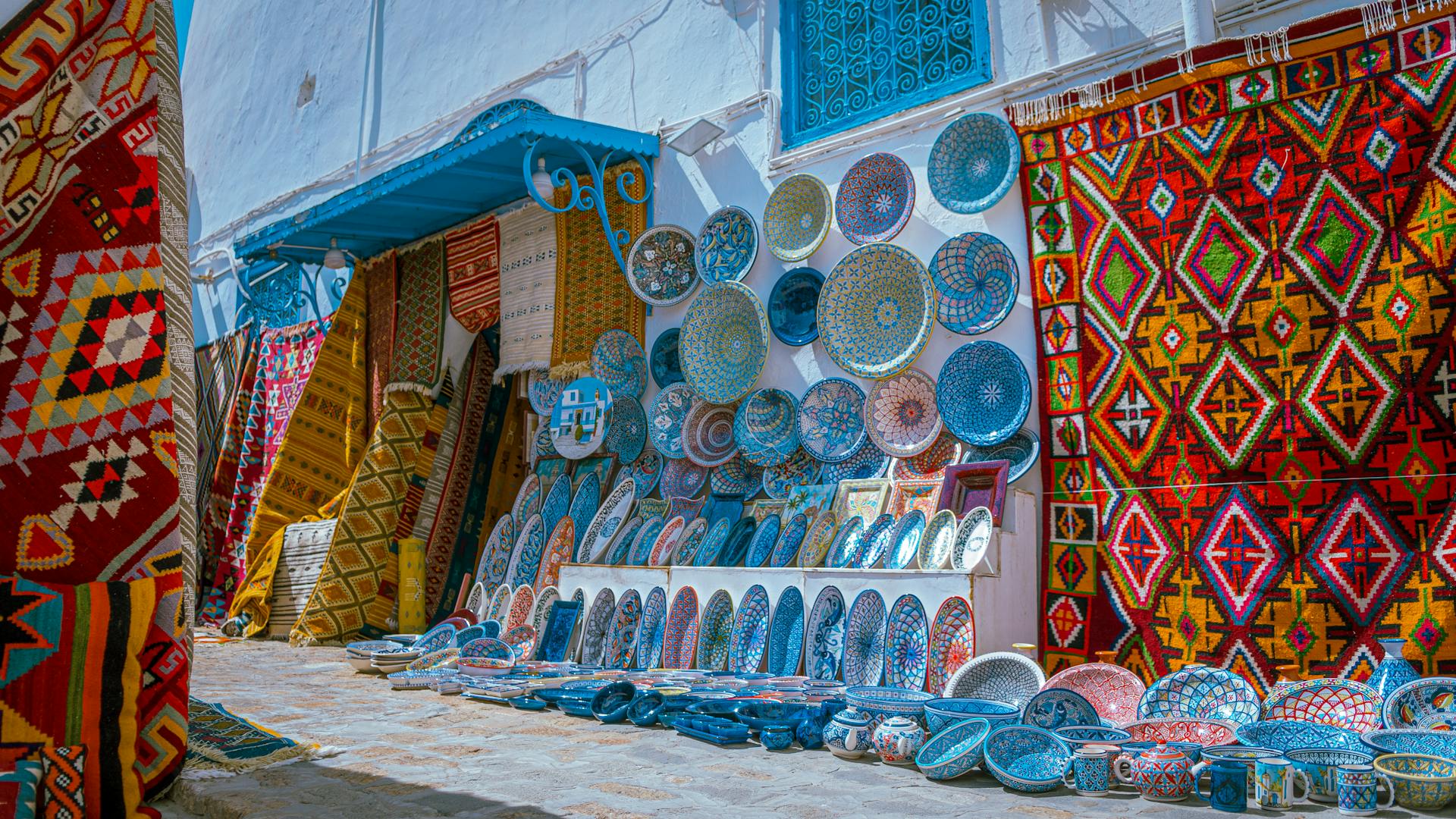
Peruvian culture cannot be reduced to the Inca civilization alone. Long before the Inca Empire emerged, sophisticated societies including the Moche, Nazca, Wari, Chavín, and others developed complex settlements, artistic traditions, technologies, and ceremonial centers across the region. The Inca later created a vast Andean state whose legacy remains visible in architecture, agriculture, language, and cultural traditions. Spanish conquest and colonial rule introduced new religious, architectural, agricultural, and social influences, producing layers of history that remain visible throughout Peru. Modern Peru reflects the interaction of Indigenous, European, African, Asian, and other cultural influences. Traditional textiles, ceramics, music, dance, religious celebrations, regional festivals, and local markets provide travelers with opportunities to experience this living cultural heritage, while respectful tourism is especially important when visiting Indigenous communities and sacred or archaeological places.