



The accident occurred during a deep-sea dive near an underwater cave system often referred to locally as “Shark Cave,” an area known for its depth and technical diving challenges. Officials confirmed that five Italian nationals lost their lives after the incident, while a Maldivian rescue diver also died during recovery operations carried out days later. Local authorities have described the rescue mission as highly complex because of underwater conditions, limited visibility, and the structure of the cave system.
According to statements from Maldivian officials, the final victims were recovered after specialized diving teams worked alongside local police and coastguard personnel in a carefully coordinated operation. Reports indicate that the underwater cave contains narrow chambers at significant depths, making access extremely difficult. Recovery teams reportedly relied on advanced diving equipment to safely retrieve the bodies while navigating restricted underwater spaces.
The victims included researchers and individuals connected to academic and marine-related work, several of whom were affiliated with the University of Genoa in Italy. Following the incident, the university publicly clarified that the fatal dive was not conducted as part of an officially authorized institutional research mission. University representatives stated that approvals previously granted for research activities did not include deep cave diving operations and emphasized that the dive was undertaken privately rather than under university supervision.

Authorities in both the Maldives and Italy continue to investigate the events leading up to the tragedy. Officials are expected to examine diving permissions, environmental conditions, safety procedures, and operational planning connected to the expedition. Weather conditions on the day of the incident were reportedly challenging, with rough seas and public advisories issued for maritime activities in some areas, factors investigators may consider while reviewing the timeline of events.
The underwater cave involved in the accident reportedly begins at a considerable depth and extends into separate chambers, conditions that generally require advanced technical diving expertise and careful preparation. While local authorities previously indicated that permits had been granted for diving within a specific depth range, questions remain regarding whether all intended dive locations and operational details were fully disclosed during planning.
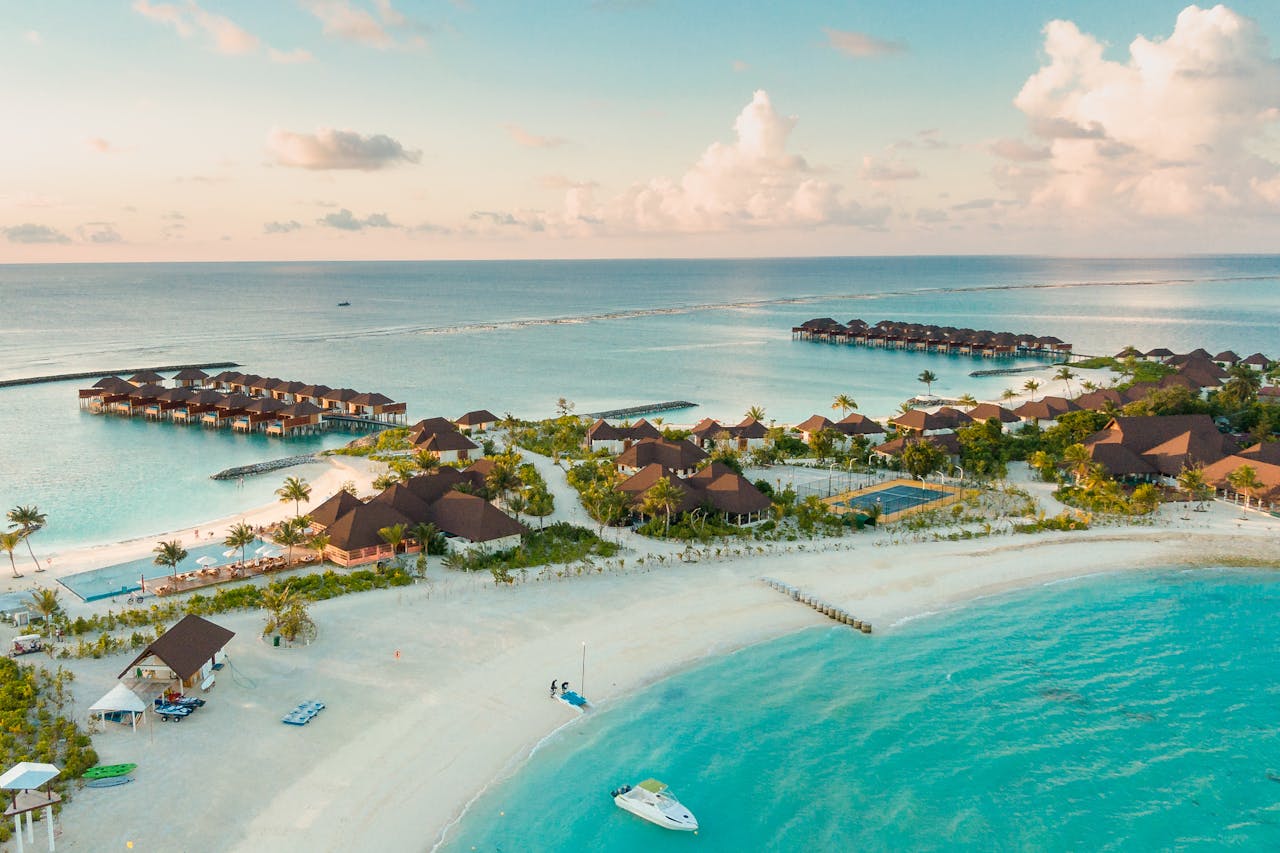
The tragedy has also sparked wider conversations about diving safety in the Maldives, a destination internationally recognized for coral reefs, marine biodiversity, and world-class underwater tourism. Experts within the diving community often stress the importance of environmental awareness, weather assessments, certification levels, equipment preparation, and adherence to approved dive plans, particularly when technical or cave environments are involved.
As investigations continue, officials are expected to focus on understanding what happened and whether additional safety measures could help prevent similar incidents in the future. For now, attention remains on supporting affected families and establishing a clear account of the circumstances behind a tragedy that has drawn international attention and prompted reflection on high-risk underwater exploration.