
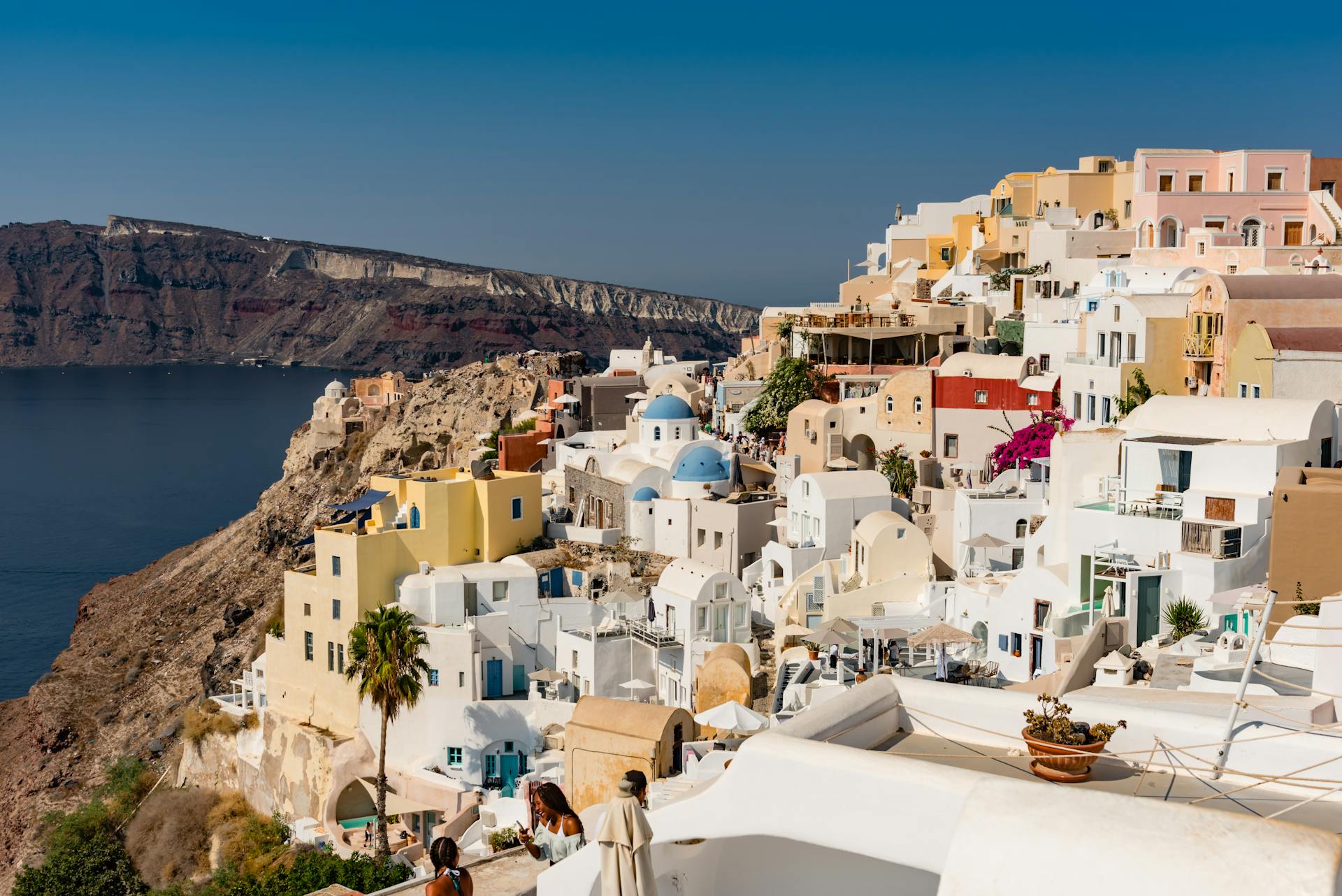

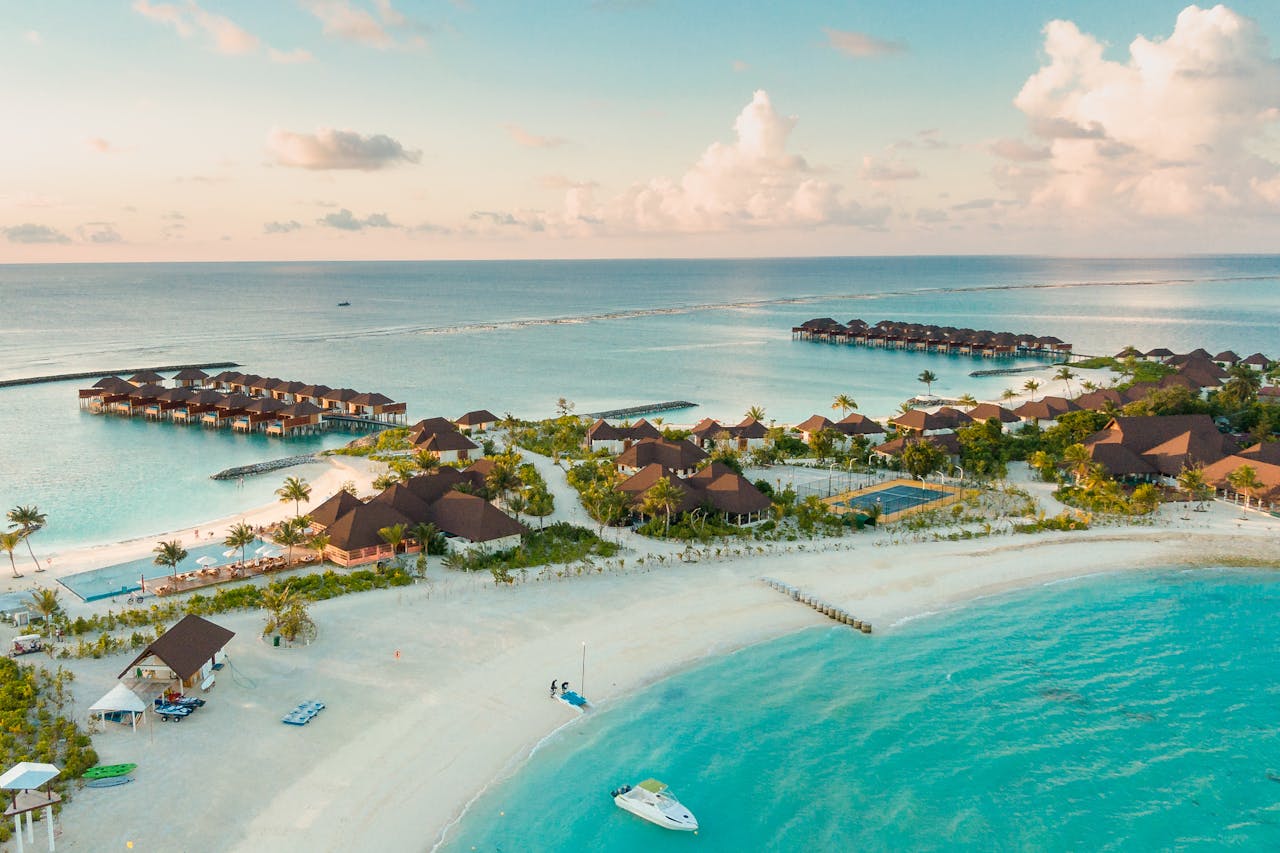
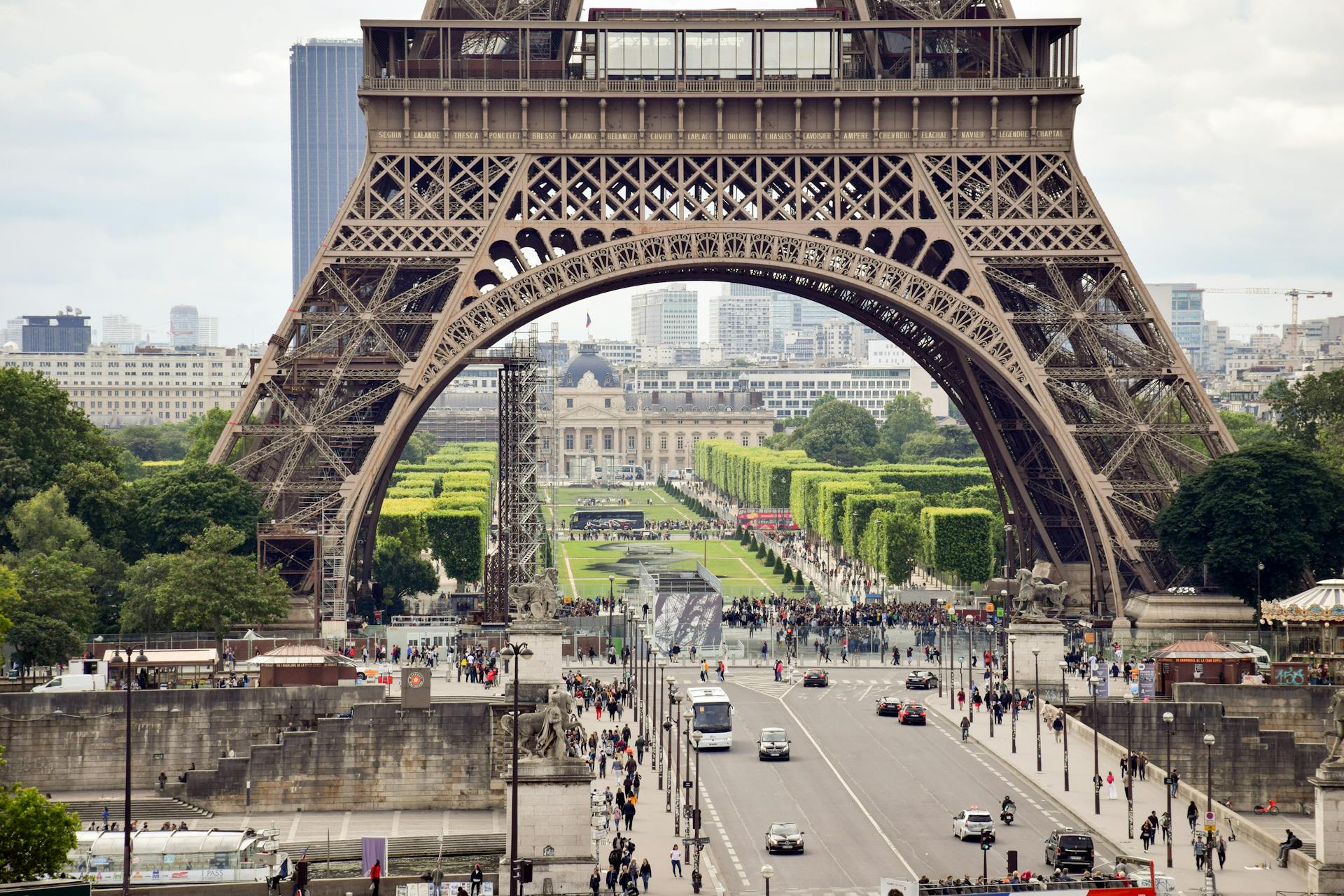
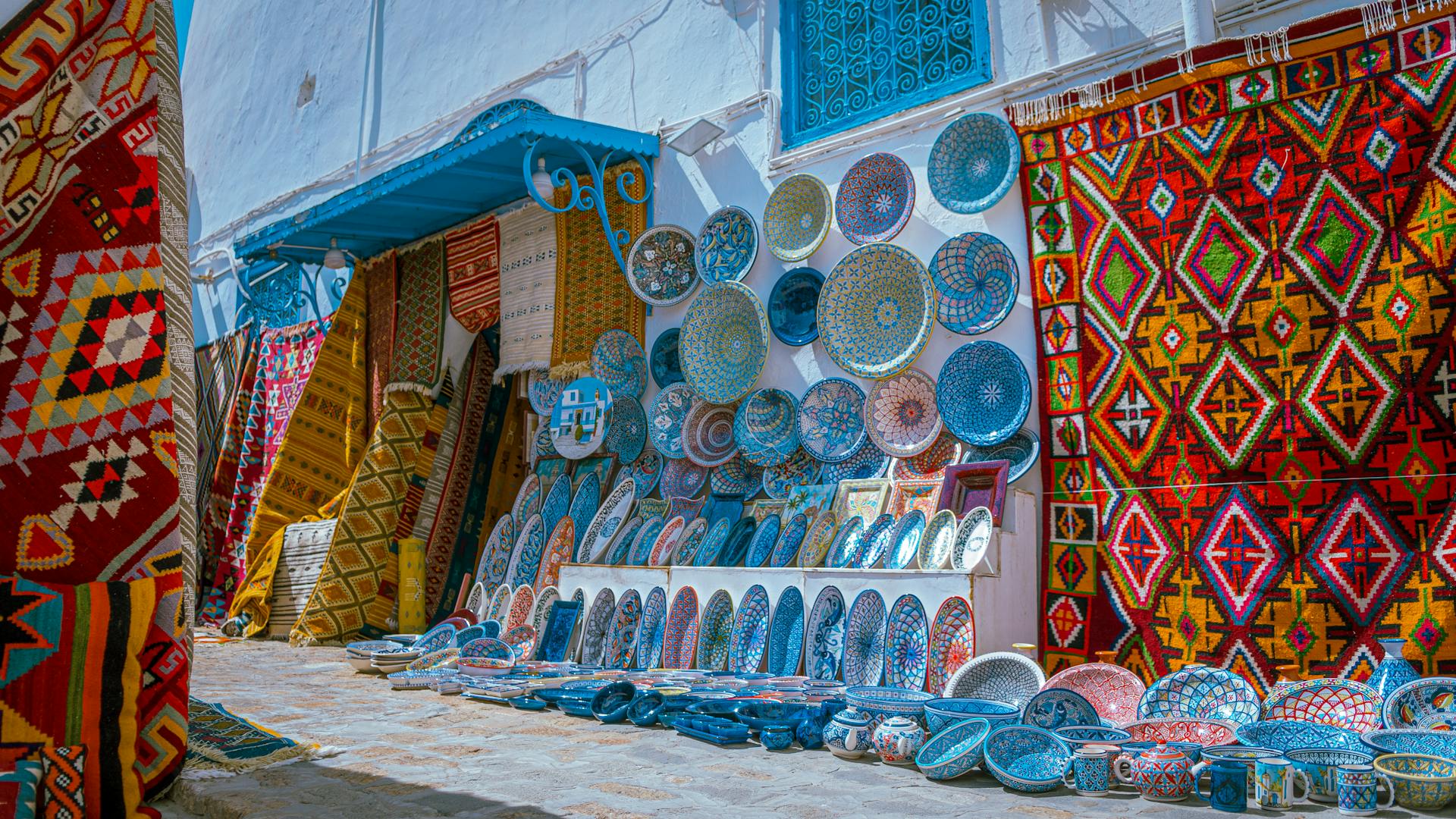

In 2026, global tourism is experiencing a full recovery, exceeding pre-pandemic levels with 1.5 billion international arrivals—a significant milestone that demonstrates the growing demand for travel. Asia-Pacific and Europe lead the way in this surge, with countries like Thailand, Spain, and France seeing impressive visitor returns. With travel infrastructure restored and flight connections expanded, popular tourist destinations are welcoming travelers from across the globe. Additionally, regional growth is expanding, as emerging markets like Africa and the Middle East also benefit from this tourism boom.
One of the key driving forces behind this growth is the increasing importance of sustainable tourism. As climate concerns become more pressing, 55% of global tourists now prioritize eco-friendly travel options, including green accommodations, carbon-neutral transportation, and nature-based activities. Countries like Iceland, Costa Rica, and New Zealand have been pioneers in eco-tourism, leading the way for others to adopt environmentally responsible practices. In response to these changes, many destinations are working to implement sustainable practices that help preserve local ecosystems while delivering memorable travel experiences. https://www.untourism.int/
Moreover, digital transformation continues to shape the tourism industry. Artificial Intelligence (AI), Virtual Reality (VR), and automation are redefining the travel experience by offering enhanced personalization and convenience. Travelers can now use AI-driven platforms to create customized itineraries, while VR allows them to explore destinations virtually before booking. Additionally, the rise of automated check-ins and contactless payments is streamlining processes, making travel more efficient and safe. These technological advancements are not only improving traveler experiences but also making the tourism industry more sustainable by reducing unnecessary paper usage and promoting smarter travel.
Another trend gaining traction in 2026 is the rise of luxury and adventure tourism, particularly in emerging markets like Kenya and the United Arab Emirates (UAE). Countries in Africa and the Middle East are increasingly popular for safaris, cultural tours, and luxury resorts. Destinations such as Dubai, Abu Dhabi, and Marrakech are seeing significant growth in high-end travel, driven by an influx of international visitors seeking exclusive experiences and adventure-packed itineraries. With improved infrastructure, these regions are establishing themselves as luxury tourism hubs, while also focusing on promoting adventure tourism such as desert safaris and eco-conscious travel experiences.
Health and wellness tourism continues to grow as travelers seek spa resorts, yoga retreats, and medical tourism services for relaxation, rejuvenation, and treatments. The pandemic's toll on mental health has heightened interest in wellness-focused trips, where individuals seek to reconnect with themselves while enjoying peaceful surroundings. Leading wellness destinations, including Bali, Switzerland, and Mexico, have become top spots for travelers seeking wellness getaways that include holistic treatments, meditation sessions, and health-enhancing activities. Additionally, the medical tourism sector is also thriving, with more people opting for affordable yet high-quality cosmetic surgery, dentistry, and wellness treatments abroad.
Finally, mega-events like the 2026 FIFA World Cup in North America and the Winter Olympics in Milan-Cortina will drive substantial tourism growth. These events attract millions of visitors, with travelers flocking to host cities for a mix of sports, entertainment, and cultural experiences. The 2026 FIFA World Cup alone is expected to generate billions in tourism-related revenue, benefiting cities in the U.S., Mexico, and Canada. The Olympics will have similar impacts, bringing visitors to Italy for winter sports, tourism, and international gatherings. Both events will significantly boost local economies and drive demand for travel-related services.